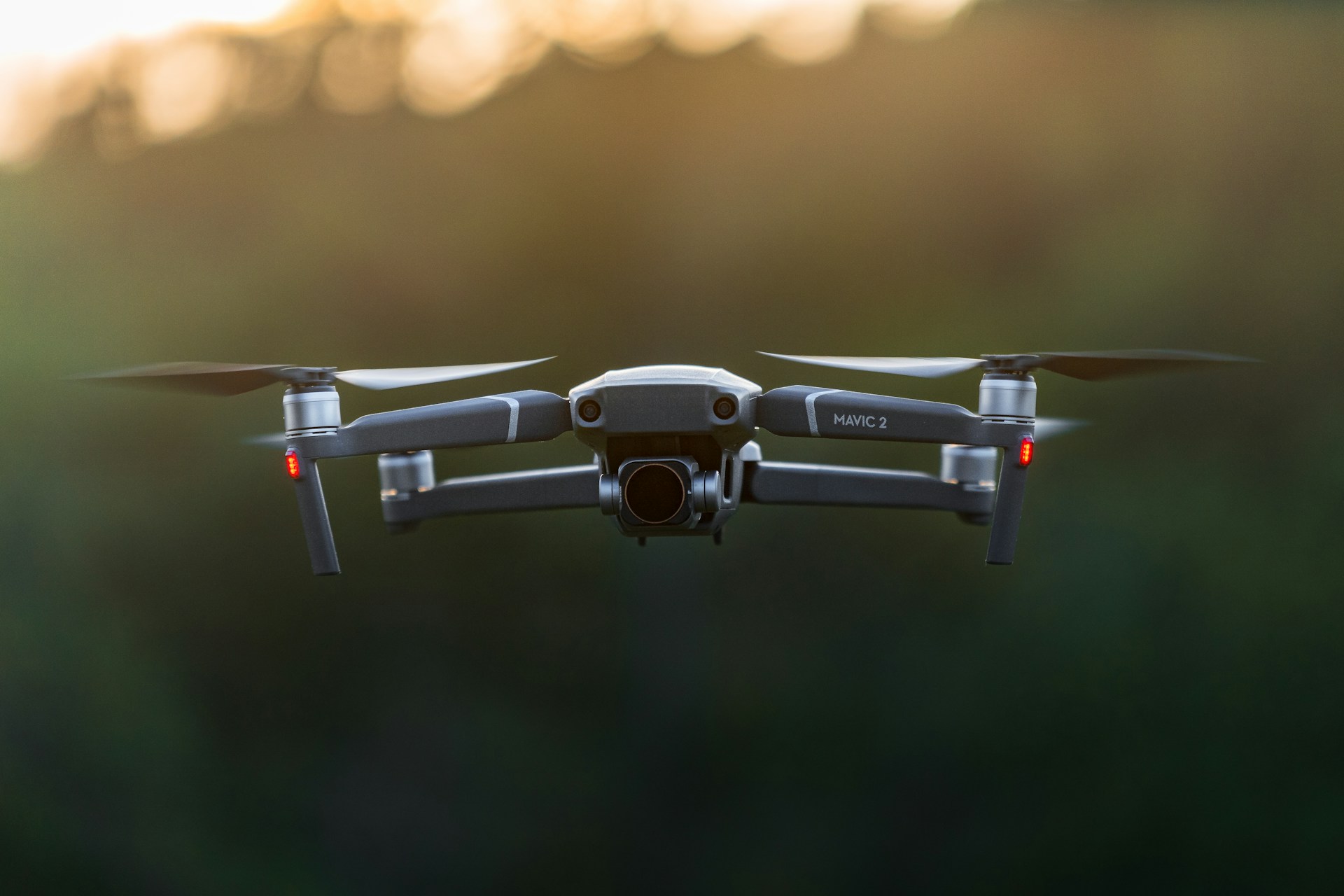
Flying a drone is an exciting way to explore photography, capture stunning videos, and enjoy a unique perspective of the world. However, becoming a skilled pilot takes more than simply turning on the controller and taking off. New drone owners should learn the basics of safe flying, equipment care, and responsible operation before attempting advanced maneuvers. Building aerial flight skills from the beginning helps create enjoyable experiences while reducing the risk of accidents. With patience and regular practice, anyone can develop the confidence needed to fly safely and capture impressive results.
Choose the Right Equipment for Your First Flight
Selecting the right drone makes the learning process much easier. Beginners should look for models that include features such as GPS stabilization, automatic return to home, obstacle sensing, and beginner flight modes. These tools provide extra support while new pilots gain experience.
It is also important to understand the controller before flying. Spend time learning what each button and joystick does. Consequently, you will feel more comfortable responding to unexpected situations once the drone leaves the ground.
Learn the Basic Flight Controls
Every successful drone pilot begins by mastering the fundamentals. Practice taking off, hovering, turning, climbing, descending, and landing in a wide open area with few obstacles. These simple exercises build muscle memory and improve coordination.
Instead of rushing into complicated movements, repeat the basics until they become natural. Furthermore, flying slowly allows you to focus on precision rather than speed. Strong control skills create a solid foundation for more advanced flying techniques later.
Understand Safety Rules Before Every Flight
Safety should always come first. Before flying, check the weather, inspect your drone, and confirm that the battery is fully charged. Wind, rain, and poor visibility can make flying difficult, especially for beginners.
You should also research local drone regulations before heading to a new location. Many areas have restrictions near airports, government buildings, or crowded public spaces. Following these rules protects both your equipment and the people around you.
Practice Smooth and Controlled Movements
Smooth flying creates better videos and reduces unnecessary stress on the drone. Quick turns and sudden acceleration often lead to shaky footage and make the aircraft harder to control.
Instead, focus on gentle movements and steady speed. As your confidence grows, begin combining different controls while maintaining stability. During this stage, many pilots improve their drone navigation techniques, making every flight more controlled and professional.
Practicing the same flight patterns several times also builds consistency. Over time, these routines become second nature and help you react calmly in different environments.
Keep Your Drone Well Maintained
A well maintained drone performs better and lasts longer. Before each flight, inspect the propellers for cracks, clean the camera lens, and check that all moving parts work properly. Small maintenance habits prevent larger problems later.
Battery care is equally important. Store batteries in a cool, dry place and avoid leaving them fully charged for long periods if they will not be used soon. Proper maintenance improves reliability and extends the life of your equipment.
Improve Your Aerial Photography Skills
Many people purchase drones to capture beautiful images and videos. While flying is important, learning basic photography principles can greatly improve your results. Think about lighting, composition, and camera angles before recording.
Morning and evening often provide the best natural light. Additionally, planning your flight path before takeoff helps you capture smoother footage without making sudden adjustments. Careful preparation usually produces more professional looking content.
Build Confidence Through Regular Practice
Experience remains one of the best teachers. The more often you fly in safe conditions, the more comfortable you become handling different situations. Start in open fields before moving to locations with trees, buildings, or other obstacles.
Set small goals during each practice session. For example, focus on improving landings one day and smooth turns the next. As a result, your skills will continue improving without becoming overwhelming.
Enjoy Every Flight While Flying Responsibly
Learning to fly a drone is a rewarding journey that combines technology, creativity, and outdoor adventure. Developing responsible drone operation helps you protect your equipment while respecting other people, wildlife, and local regulations. Responsible habits also make the hobby more enjoyable for everyone who shares the skies.
Every experienced drone pilot once started as a beginner. By practicing consistently, maintaining your equipment, following safety guidelines, and staying patient, you will continue growing with every flight. Whether your goal is aerial photography, filmmaking, mapping, or simply having fun, the skills you build today will support countless successful flights in the future.