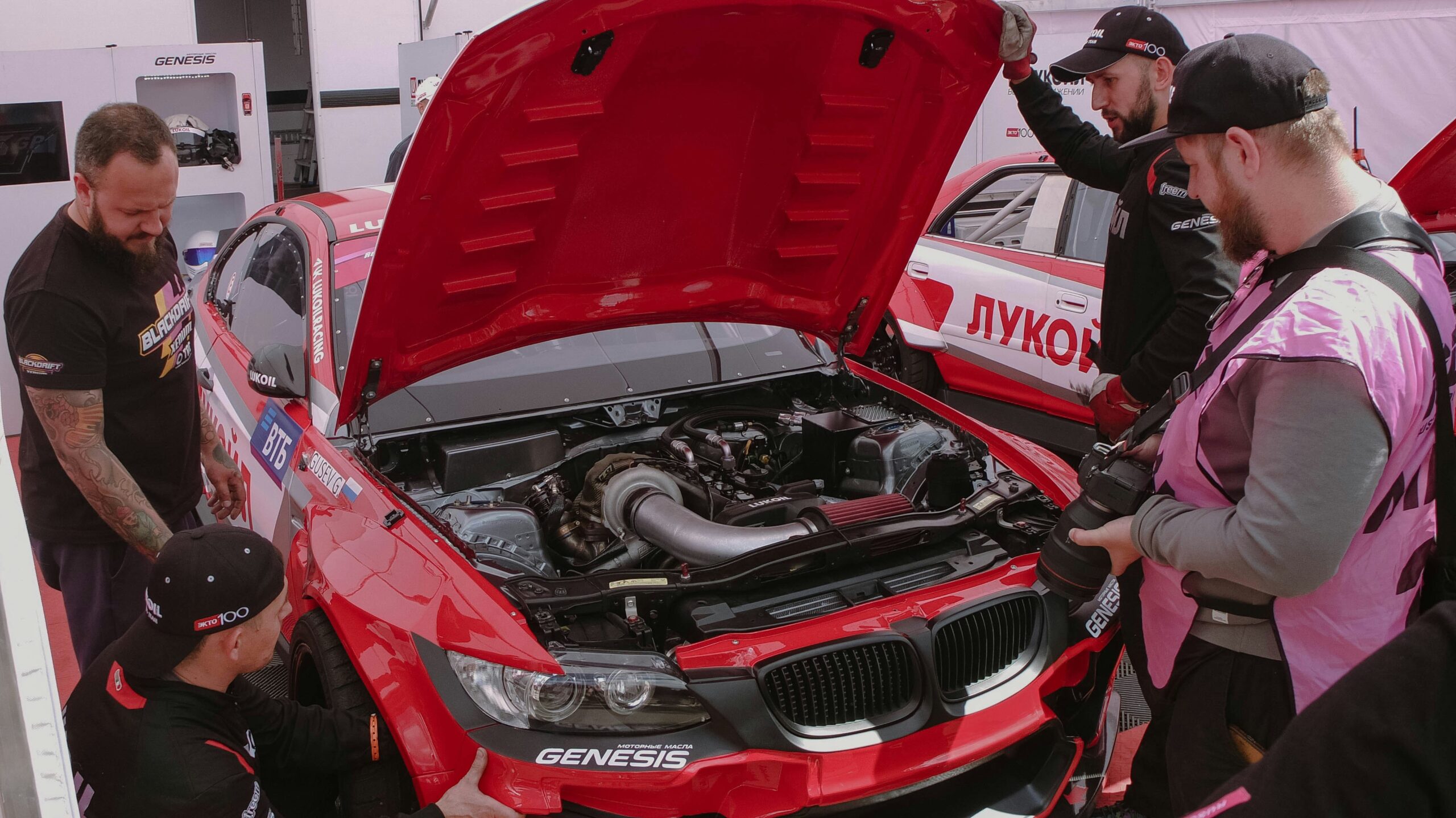
Cars are more than transportation. They are systems of moving parts working in balance, and for many enthusiasts, understanding how these systems function creates a deeper connection with driving and ownership. Mechanical knowledge also builds confidence. It reduces dependence on guesswork when something feels off. Even a basic understanding can make maintenance easier and safer.
Developing mechanical know-how does not require advanced training. It starts with observation, patience, and curiosity. Over time, simple skills build into practical experience. This guide explores essential areas every automotive enthusiast should understand. Each section focuses on clear ideas that support better decision-making around vehicles.
Understanding How Vehicles Work at a Basic Level
A vehicle operates through connected systems that work together. The engine creates power. The transmission sends that power to the wheels. The brakes control stopping. The electrical system supports ignition, lighting, and sensors. When these systems function properly, the car feels smooth and responsive.
Understanding these basics helps you recognize when something changes. A slight vibration or delay in acceleration can indicate a deeper issue. When you know how the systems interact, you can better identify where a problem might begin. This awareness is the foundation of mechanical confidence.
Building Confidence with Hand Tools and Workshop Habits
Mechanical work often begins with simple tools. Wrenches, screwdrivers, and sockets form the core of most repairs. Knowing how each tool fits and functions reduces frustration during basic tasks. It also improves accuracy when working on tight or sensitive areas of a vehicle.
Good workshop habits matter as much as tools. A clean, organized space helps prevent mistakes. Taking time to prepare before starting a task leads to better results. When tools are used with care and attention, even small repairs feel manageable and controlled.
Learning Engine Behavior and Common Warning Signs
The engine is the heart of any vehicle. It produces power through controlled combustion. When it runs well, it operates with a steady rhythm. Any change in sound, vibration, or performance can signal a developing issue. Learning to notice these changes is an important skill.
Warning signs often appear before major problems. Rough idling, reduced power, or unusual noises should never be ignored. Even subtle changes in fuel efficiency can indicate internal stress. Paying attention early helps prevent costly repairs and keeps the engine running longer.
Strengthening Diagnostic Thinking Without Guesswork
Mechanical diagnosis is about observation before action. Instead of replacing parts randomly, a thoughtful approach saves time and money. It begins with identifying symptoms clearly. Understanding when and how a problem occurs is often the first step toward solving it.
Logical thinking plays a major role in diagnosis. Each system in a car connects to another. A battery issue may affect starting, lighting, and electronics. By following the pattern of symptoms, you can narrow down possible causes. This reduces uncertainty and improves repair accuracy.
Mastering Routine Maintenance for Long-Term Performance
Routine maintenance keeps a vehicle reliable. Simple tasks like checking fluids, inspecting tires, and replacing filters help prevent larger issues. These actions support engine health and improve overall performance. Regular attention extends the life of the car.
Consistency is more important than complexity. Small checks done regularly are more effective than large repairs done too late. Maintenance also builds familiarity with the vehicle. Over time, you begin to notice what is normal and what is not, which strengthens your mechanical awareness.
Developing Safe Repair Practices and Problem Prevention
Safety is a core part of mechanical work. Every repair involves moving parts, heat, or electrical systems. Understanding how to handle these risks is essential. Careful preparation reduces accidents and protects both the vehicle and the person working on it.
Prevention is equally important. Many mechanical problems develop slowly over time. Loose components, worn parts, or neglected maintenance often lead to breakdowns. By inspecting the vehicle regularly, you can identify risks before they become serious failures. This approach saves time and improves reliability.
Growing Skills Through Real-World Experience and Practice
Mechanical knowledge improves through experience. Reading and learning are important, but hands-on practice builds true understanding. Working on real vehicles helps connect theory with reality. Each task teaches something new about how systems behave under different conditions.
Mistakes are part of the learning process. Small errors provide valuable lessons when handled correctly. Over time, experience builds confidence and precision. As skills grow, tasks that once felt complex become routine. This steady progress defines real mechanical know-how.
Mechanical know-how is built step by step. It starts with understanding how vehicles work and grows through practice and observation. Each skill adds to your ability to maintain and understand a car with greater clarity.
For automotive enthusiasts, this knowledge brings a sense of independence. It reduces uncertainty and improves decision-making. With patience and consistent learning, anyone can develop strong mechanical skills that last a lifetime.