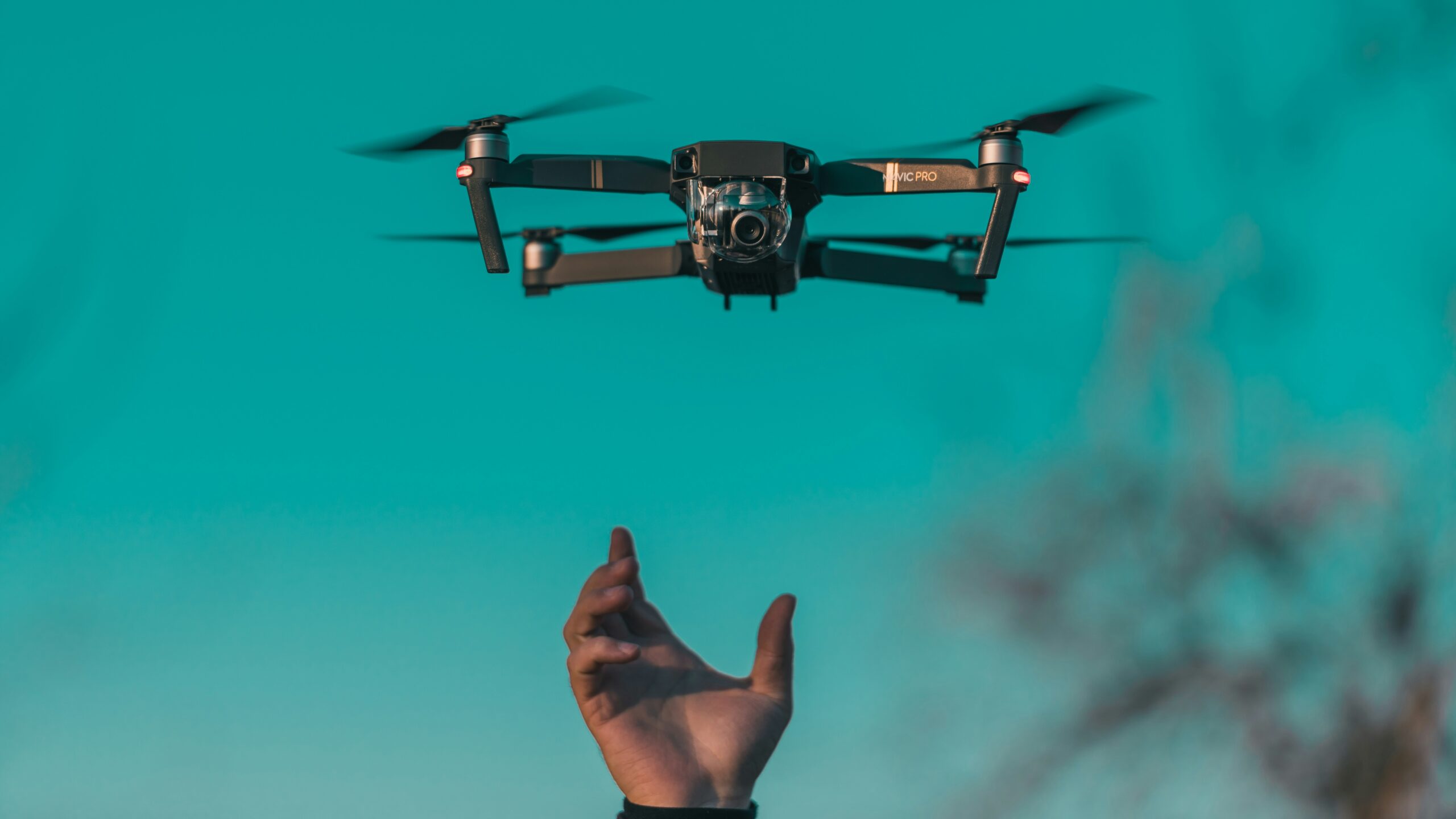
Flying a drone has become an exciting way to explore technology, capture stunning images, and develop a valuable new skill. However, successful drone piloting requires more than simply lifting a device into the air. Beginners must understand flight controls, safety practices, weather conditions, and responsible operation before they can enjoy smooth and confident flights. Therefore, learning the basics creates a strong foundation for every new pilot.
Moreover, modern drones offer advanced features that make flying easier, but these tools do not replace proper knowledge and practice. A beginner who learns carefully can avoid common mistakes and improve quickly. This guide explains the essential steps for drone piloting, safety awareness, and achieving consistent flight success.
Understanding Your Drone Before the First Flight
First, every beginner should take time to understand how a drone works before attempting a flight. A drone includes several important components, such as motors, propellers, sensors, cameras, batteries, and a controller. Each part plays a role in keeping the aircraft stable and responsive. By learning these functions, pilots can identify problems early and make better decisions during flights.
Additionally, reading the manufacturer’s instructions helps new pilots understand the drone’s specific features. Different models have different flight modes, battery requirements, and control systems. As a result, beginners who study their equipment before flying often experience fewer problems and develop stronger confidence behind the controls.
Furthermore, beginners should practice with basic controls in a safe environment. Learning how to move forward, backward, upward, downward, and sideways allows pilots to build coordination. Over time, these simple movements become natural, making more advanced maneuvers easier to perform. Therefore, patience during the learning stage creates better long-term flying skills.
Learning Essential Drone Safety Practices
Next, safety should always remain the highest priority for every drone pilot. A responsible pilot checks the surrounding area before takeoff and ensures the flight path remains clear. Flying near people, restricted locations, or dangerous obstacles can create unnecessary risks. Therefore, careful preparation protects both the drone and everyone nearby.
In addition, pilots should understand local drone regulations before operating their aircraft. Many areas have specific rules about flight zones, altitude limits, privacy concerns, and registration requirements. By following these regulations, drone operators can enjoy their hobby while respecting public safety and legal responsibilities. Consequently, responsible flying builds a positive reputation for the drone community.
Moreover, checking weather conditions plays an important role in safe drone operation. Strong winds, heavy rain, and poor visibility can affect flight performance and increase the chance of accidents. Before every flight, beginners should evaluate the environment and delay flying when conditions become unsafe. This simple habit improves safety and extends the life of the equipment.
Developing Better Flight Skills Through Practice
Meanwhile, consistent practice helps beginners become more comfortable and accurate drone pilots. New operators should begin with simple flights in open spaces where they can focus on control techniques without distractions. Gradually, they can attempt more complex movements, such as smooth turns, controlled altitude changes, and precise landings. As confidence grows, pilots can explore advanced flying styles.
Similarly, practicing with different flight modes allows beginners to understand how their drones respond in various situations. Many drones include beginner modes that limit speed and improve stability. Eventually, pilots can transition to more advanced settings as their abilities improve. Therefore, gradual progress creates safer and more enjoyable flying experiences.
Additionally, successful drone piloting requires awareness of battery management and equipment care. Pilots should monitor battery levels, inspect propellers, and keep sensors clean before each flight. These small actions prevent unexpected failures and help maintain reliable performance. Consequently, regular maintenance becomes an important part of becoming a skilled drone operator.
Improving Flight Success With Smart Techniques
After mastering the basics, beginners can focus on improving the quality of their flights. For example, smooth movements create better videos and more professional-looking aerial footage. Instead of making sudden changes, experienced pilots use controlled inputs to guide the drone naturally. This approach improves both flight stability and creative results.
Furthermore, planning each flight before takeoff increases efficiency and reduces mistakes. Pilots should consider the purpose of the flight, the desired camera angles, and possible challenges in the area. By creating a simple strategy, beginners can use their flight time effectively and achieve better outcomes. Therefore, preparation remains a key factor in successful drone operation.
Moreover, learning from every flight helps pilots continue improving. Reviewing footage, identifying mistakes, and adjusting techniques allow operators to develop stronger skills over time. Each flight provides valuable experience, even when results are not perfect. As a result, a growth-focused mindset helps beginners become confident and capable drone pilots.
Exploring Advanced Drone Piloting Responsibilities
Finally, experienced beginners can expand their knowledge by exploring advanced drone features and responsible flying practices. Many modern drones include automated functions, obstacle avoidance systems, and intelligent tracking options. Although these features provide assistance, pilots must still understand manual control and decision-making. Technology supports good piloting, but it does not replace awareness.
Additionally, responsible drone pilots consider privacy, environmental impact, and community concerns. Respecting personal space and avoiding unnecessary disturbance helps maintain trust between drone users and the public. Therefore, ethical flying habits are just as important as technical skills. A skilled pilot understands that responsible operation creates better opportunities for everyone.
Ultimately, learning drone piloting requires a combination of knowledge, practice, and responsibility. Beginners who understand their equipment, follow safety rules, and develop their skills gradually can enjoy successful flights with confidence. Although mistakes may happen during the learning process, each experience provides an opportunity to improve and become a better operator.
Drone flying offers a rewarding experience for those willing to learn and practice properly. By combining smart preparation, safe habits, and continuous improvement, new pilots can confidently explore the possibilities of aerial technology. With the right approach, every beginner can move from their first flight toward becoming a skilled and responsible drone pilot.