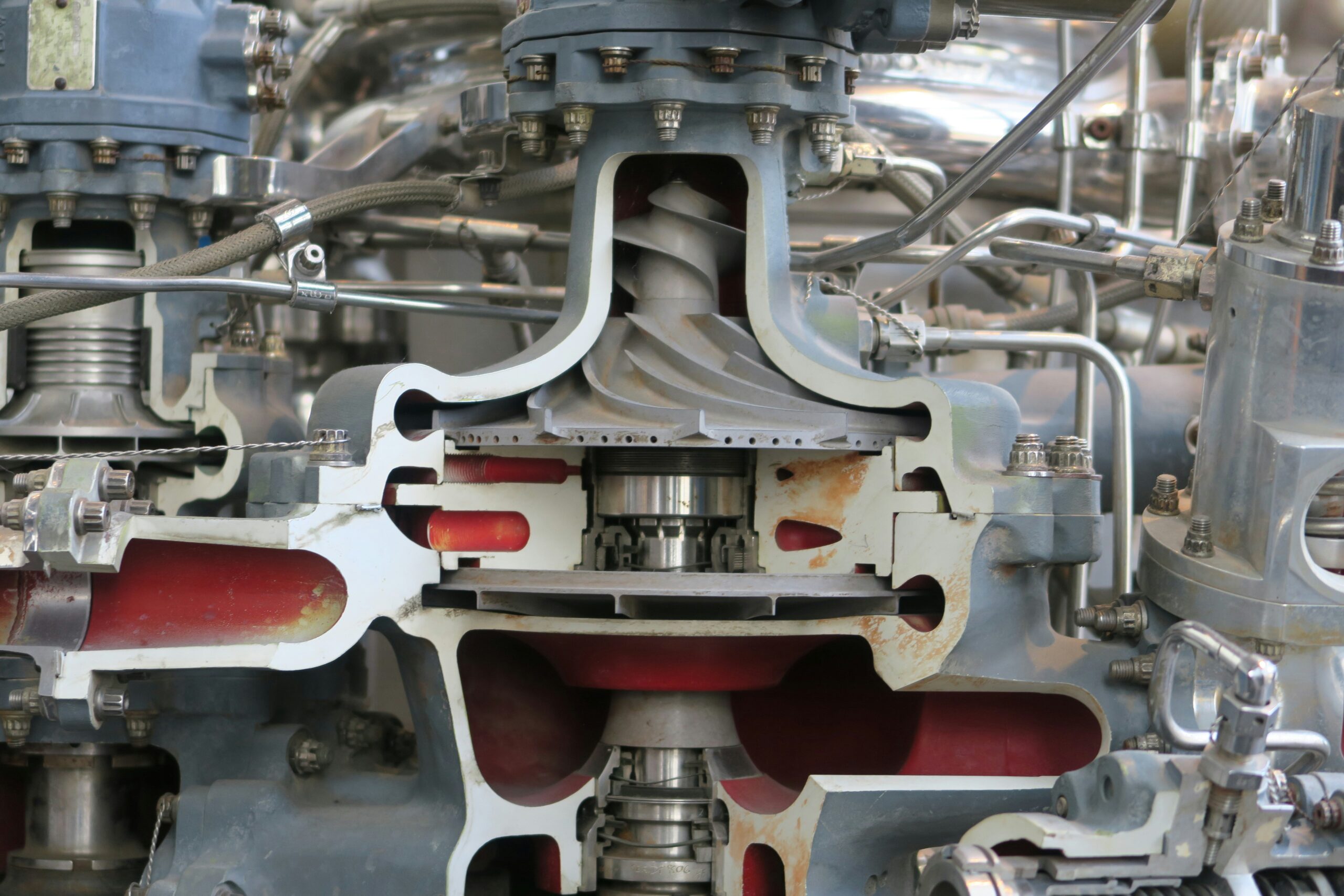
Core mechanical systems shape the way people interact with machines and tools in everyday life. From simple devices to complex equipment, these systems help transfer energy and motion to perform useful tasks. When you understand core mechanical systems, you gain the ability to analyze how things work and solve problems more effectively.
Many beginners feel confused when they first explore this topic. However, learning becomes easier when you focus on simple concepts and connect them to real-world examples. As you move step by step, you begin to see patterns that make even complex systems easier to understand.
What Core Mechanical Systems Really Mean
Core mechanical systems are the essential parts and processes that enable machines to function. These systems include components such as gears, levers, pulleys, and engines that work together to create movement and perform tasks. When these parts interact correctly, the system operates smoothly and efficiently.
At the same time, each component plays a specific role. For example, gears help transfer motion, while levers increase force. When you understand how these elements connect, you build a strong foundation for learning more advanced mechanical concepts. This clarity helps you avoid confusion and improves your ability to learn quickly.
Why Learning Core Mechanical Systems Matters
Understanding core mechanical systems offers clear benefits in daily life. When you know how machines work, you can fix simple issues without depending on others. This skill saves both time and money while increasing your confidence in handling practical tasks.
Moreover, this knowledge supports personal growth. It helps you develop logical thinking and problem-solving skills. As a result, you become more capable of handling challenges in both personal and professional situations. Over time, this ability becomes a valuable asset in many areas of life.
The Basic Principles Behind Mechanical Systems
Mechanical systems rely on a few key principles, such as force, motion, and energy transfer. These principles explain how machines move and perform work. When you understand how force affects motion, you can predict how a system will behave.
In addition, energy plays a central role in every system. Machines convert energy from one form to another to perform tasks. For example, a car engine converts fuel into motion. When you connect these ideas, you begin to understand how different systems operate consistently.
How Simple Machines Form the Foundation
Simple machines act as the building blocks of core mechanical systems. These include tools like levers, pulleys, and inclined planes. Each one makes work easier by changing the direction or magnitude of force.
When you study simple machines, you learn how complex systems develop from basic ideas. For instance, a pulley system can lift heavy objects with less effort. This understanding helps you see how advanced machines use the same principles in more complex ways.
Exploring Motion and Force in Systems
Motion and force work together in every mechanical system. Force causes movement, while motion shows how objects change position over time. When you observe how these elements interact, you gain a clearer understanding of system behavior.
Furthermore, there are different types of motion, such as rotational and linear motion. Machines often combine these movements to perform tasks efficiently. By recognizing these patterns, you improve your ability to analyze and understand mechanical systems.
Understanding Energy Transfer in Machines
Energy transfer allows mechanical systems to function. Machines take energy from one source and convert it into useful work. This process occurs in many everyday devices, from small tools to large industrial machines.
At the same time, energy efficiency is important. Systems that use energy effectively perform better and waste less. When you understand energy transfer, you can identify ways to improve performance and reduce unnecessary loss.
The Role of Components in Mechanical Systems
Every mechanical system includes multiple components that work together. These parts include gears, shafts, belts, and bearings. Each component supports the system and ensures smooth operation.
When one part fails, the entire system may stop working properly. Therefore, understanding each component helps you identify problems quickly. This knowledge makes troubleshooting easier and improves your ability to maintain systems effectively.
Learning Through Real World Examples
Real-world examples help make core mechanical systems easier to understand. When you observe how machines work in daily life, you connect theory with practice—for instance, watching how a bicycle chain moves can teach you about motion and energy transfer.
In addition, practical observation strengthens your memory. When you see concepts in action, they become easier to remember and apply. This approach makes learning more engaging and effective, especially for beginners.
Developing Problem-Solving Skills
Mechanical knowledge improves problem-solving skills by encouraging logical thinking. When a system fails, you need to identify the cause and find a solution. This process requires observation, analysis, and testing.
As you gain experience, you become faster and more accurate in solving problems. You begin to recognize patterns and apply solutions with confidence. This skill is valuable not only in mechanical work but also in everyday decision-making.
Improving Safety Through Knowledge
Understanding core mechanical systems also improves safety. When you know how machines operate, you can use them correctly and avoid risks. This awareness reduces the chance of accidents and injuries.
In addition, knowledge helps you recognize warning signs. Unusual sounds or vibrations often indicate a problem. When you notice these signs early, you can take action before the issue becomes serious.
Building Confidence with Practice
Practice plays a key role in mastering mechanical systems. The more you work with tools and machines, the more confident you become. Each successful task strengthens your understanding and builds your skills.
Over time, this confidence encourages you to take on new challenges. Instead of feeling unsure, you approach tasks with a positive mindset. This growth leads to continuous improvement and greater independence.