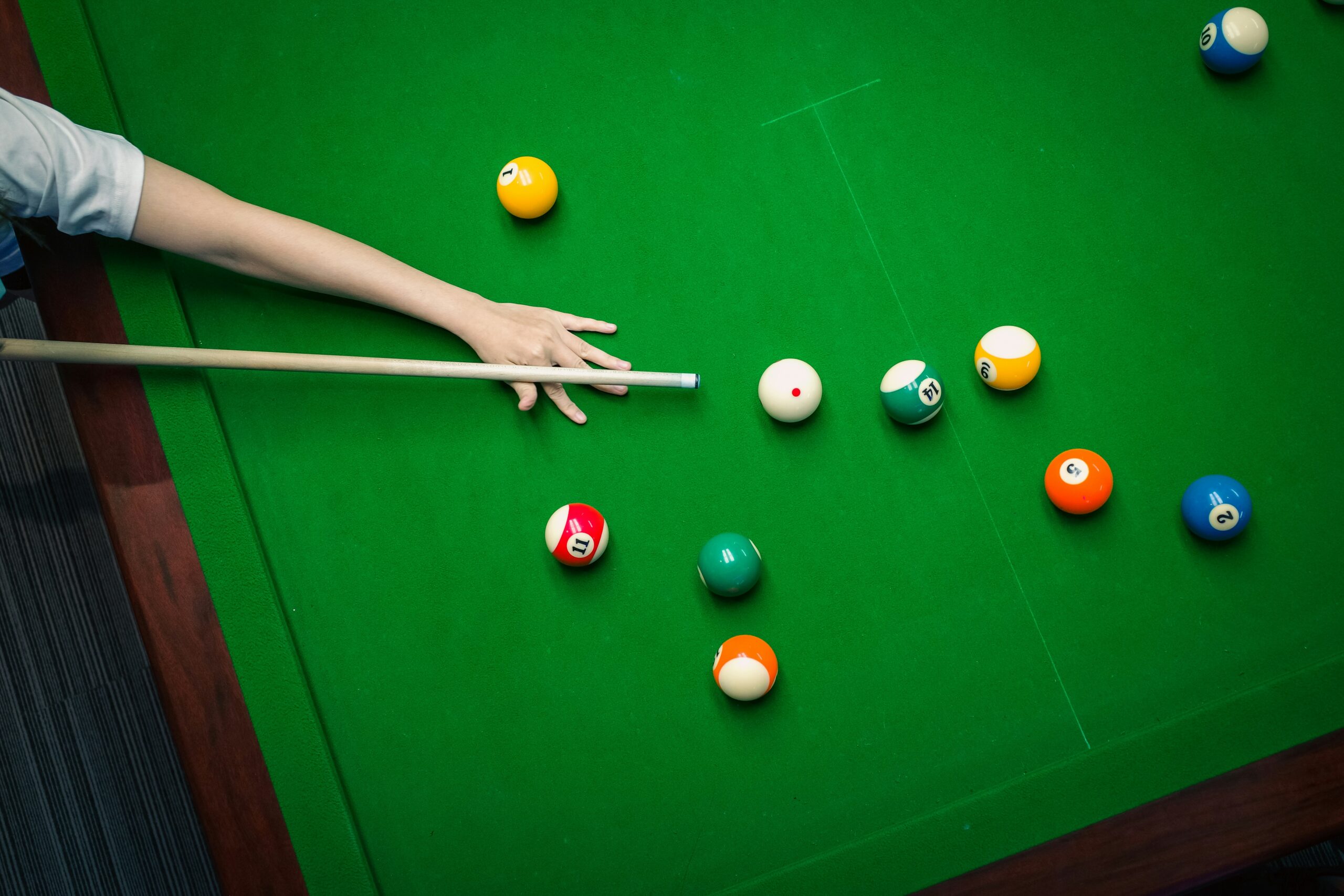
In pool, being behind the eight ball means you’re in a challenging position where your next move is limited or obstructed, often by the placement of other balls. This situation forces players to think strategically rather than relying purely on shot-making ability. It is a moment when patience, awareness, and precision come together to determine the game’s outcome.
The phrase has also become a metaphor for difficult situations, but on the pool table, it is very literal. Whether you are blocked by an opponent’s ball or forced into a defensive shot, learning how to navigate these moments can elevate your game significantly. Recognizing the situation early is the first step toward regaining control.
Reading the Table Like a Pro
Strong players always begin by analyzing the table layout before making any move. This means identifying potential obstacles, possible shot paths, and how each ball interacts with others. When you are behind the eight ball, this skill becomes even more critical because one careless shot can worsen your position.
Take a moment to evaluate angles, ball clusters, and your cue ball’s potential routes. Visualizing several moves ahead helps you avoid panic decisions. Instead of focusing on just the next shot, think about how it sets up the following one. This forward-thinking approach transforms difficult situations into manageable challenges.
Developing Precision Cue Ball Control
Cue ball control is one of the most essential skills in pool, especially when you are in a tight spot. Being able to place the cue ball exactly where you want after a shot allows you to recover from awkward positions and create new opportunities.
Practice using different types of spin, including topspin, backspin, and sidespin, to manipulate the cue ball’s movement. Even small adjustments in speed and angle can dramatically change the outcome. When you are behind the eight ball, precise control often matters more than power, so focus on finesse rather than force.
Playing Smart Defensive Shots
Offense is not always the best option when you are in trouble. Defensive play, also known as safety shots, can shift the pressure back onto your opponent. A well-executed safety can leave your opponent in an equally difficult position, or even worse.
Instead of forcing a risky shot, consider hiding the cue ball behind another ball or sending it to a part of the table that limits your opponent’s options. This approach buys you time and may lead to an error on your opponent’s part. Smart defense is a key part of mastering the game, especially in high-pressure moments.
Managing Angles and Positioning
Angles are everything in pool. Understanding how the cue ball reacts after contact with another ball or a cushion allows you to plan more effectively. When you are behind the eight ball, you often need to rely on creative angles to escape difficult positions.
Practice banking shots and using cushions to your advantage. Sometimes the best route is not a direct line but a calculated rebound off the rail. Positioning is closely tied to angles, so always think about where the cue ball will end up after the shot. Good positioning sets up easier shots and reduces the likelihood of getting trapped again.
Staying Mentally Composed Under Pressure
Pool is as much a mental game as it is a physical one. Being behind the eight ball can create stress and lead to rushed decisions. Maintaining composure is essential for making smart choices and executing shots effectively.
Take a deep breath and focus on the process, not the outcome. Confidence plays a big role in recovery, so trust your skills and stick to your strategy. Even experienced players face difficult situations, but those who remain calm are more likely to turn things around.
Practicing Problem-Solving Scenarios
One of the best ways to improve your ability to handle tough situations is through deliberate practice. Set up scenarios where you are intentionally placed behind the eight ball and work on finding solutions. This builds both skill and confidence.
Over time, you will begin to recognize patterns and develop a toolkit of strategies for different situations. Practice not only improves your technical abilities but also sharpens your decision-making skills. The more you expose yourself to challenging setups, the more comfortable you become in real games.
Building Consistency Through Fundamentals
While advanced techniques are important, strong fundamentals remain the foundation of great pool playing. Proper stance, grip, and stroke all contribute to consistent performance. When you are in a difficult position, reliable fundamentals help you execute even the most delicate shots.
Spend time refining your basics to ensure that your mechanics hold up under pressure. Consistency reduces errors and increases your chances of recovering from tough spots. A solid foundation allows you to focus on strategy without worrying about execution.
Learning From Each Game
Every game of pool offers an opportunity to learn, especially when things do not go as planned. Being behind the eight ball highlights areas where you can improve, whether it is shot selection, cue ball control, or mental focus.
After each game, take a moment to reflect on what worked and what did not. This habit helps you identify patterns and make adjustments for future matches. Continuous learning is key to mastering the art of playing pool and becoming more resilient in challenging situations.
Turning Challenges Into Opportunities
Being behind the eight ball is not the end of the game; it is an opportunity to demonstrate skill, strategy, and composure. By reading the table, controlling the cue ball, and making smart decisions, you can turn difficult situations into winning moments.
Mastering this aspect of pool takes time and practice, but the rewards are worth it. As you develop your abilities, you will find yourself more confident and capable, even when the odds seem stacked against you. In the end, success in the pool comes from how well you handle the toughest moments.