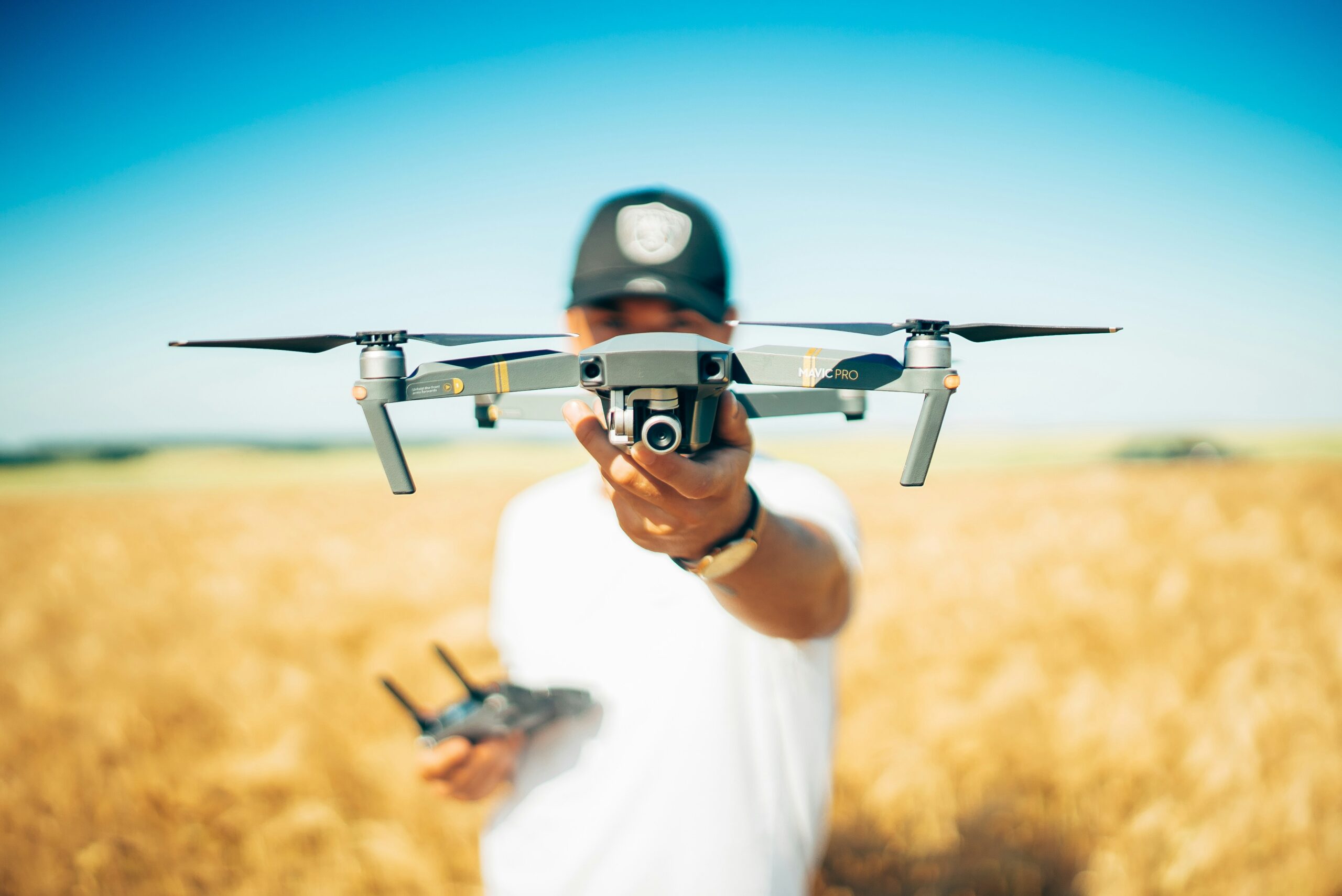
Drone piloting combines technology, coordination, creativity, and responsibility. Whether you want to capture aerial photos, record travel videos, or simply experience flight as a hobby, learning the fundamentals should come before advanced techniques. A good beginner drone guide should cover the entire process, from preparing the aircraft to completing a controlled landing.
Prepare Before Leaving Home
Preparation can save valuable time at the flight location. Charge your drone batteries, controller, and mobile device. Check available storage and make sure essential equipment is ready.
Review the manufacturer’s instructions, especially if you recently purchased the aircraft. If software or firmware requires an update, complete it before heading out whenever practical.
Evaluate the Location
Never launch without first evaluating your surroundings. Look for obstacles, people, structures, power lines, and other hazards. Make sure you have enough open space to maintain control.
You should also check applicable airspace and local rules before the flight. Choosing an appropriate location makes learning much easier.
Perform a Preflight Check
Inspect the drone before every takeoff. Look at each propeller and confirm that nothing appears loose or damaged. Check the battery installation and make sure the camera and sensors remain clean.
Review any status or warning information shown in the flight application. Do not ignore warnings simply because the aircraft appears ready to fly.
Take Off Slowly
Place the drone on a stable, clear surface. After starting the motors, increase altitude gradually and establish a stable hover. Use this moment to make sure the aircraft responds normally.
If something seems wrong, land and investigate instead of continuing the flight. A controlled start establishes confidence for the rest of the session.
Practice Basic Flight Patterns
Once the drone is stable, begin practicing simple movements. Fly forward and stop. Move backward and return. Practice moving left and right.
Next, introduce slow rotations. These exercises may appear basic, but they form the foundation of drone piloting techniques used during more complicated flights.
Keep Movements Smooth
Smooth controller inputs make the drone easier to manage. Avoid suddenly pushing the sticks to their limits. Instead, make gradual adjustments and observe how the aircraft reacts. This habit becomes especially valuable when recording video because smooth movements usually produce more polished footage.
Pay Attention to Distance and Battery Life
Beginners can easily become excited and fly farther than intended. Keep the aircraft at a comfortable distance and maintain awareness of its orientation. Monitor battery levels throughout the flight. Begin returning with enough power to handle unexpected wind or delays. Never make reaching the landing point a race against the battery indicator.
Bring the Drone Home Safely
Landing deserves the same attention as takeoff. Return to a clear area and position the drone above the landing point. Reduce altitude gradually while maintaining control. Watch the surroundings as the aircraft approaches the ground. After landing, stop the motors correctly and power down according to the manufacturer’s instructions.
Grow Into a Confident Pilot
Learning how to pilot a drone safely does not happen in one session. Practice in manageable stages. Start with hovering and basic movements, then progress toward smoother turns, flight patterns, photography, and more advanced features. At the same time, continue learning about regulations and responsible operation.
Drone piloting can provide a rewarding combination of technology and creativity. Strong fundamentals allow beginners to enjoy that experience with greater confidence. When pilots prepare carefully, respect their surroundings, and improve through regular practice, every successful landing becomes another step toward mastering the sky.