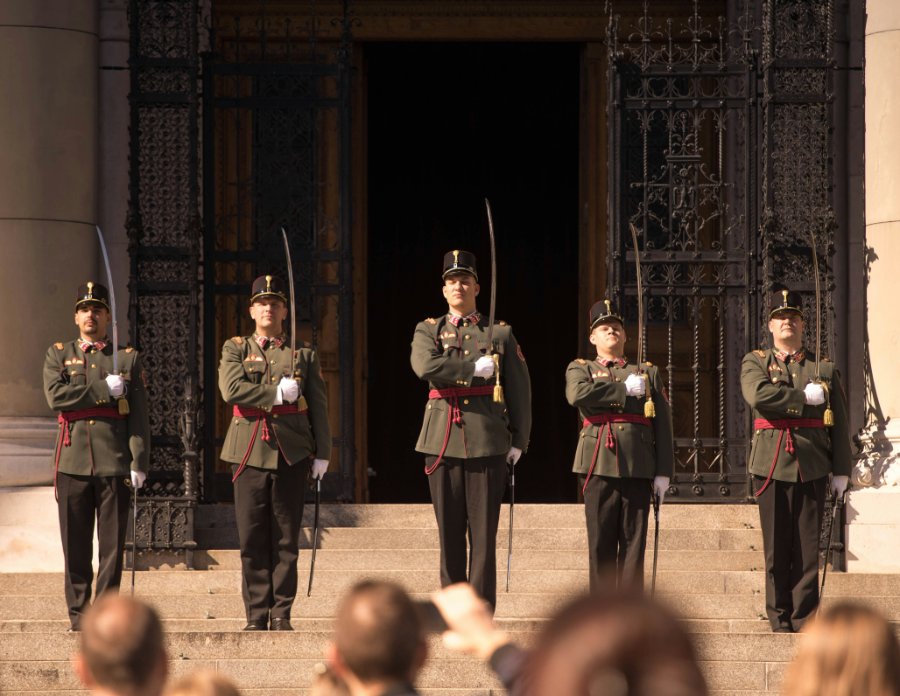
Historical movies have always played an important role in shaping how audiences understand war, military service, and the people who experience conflict. Soldiers often stand at the center of these stories, representing courage, sacrifice, loyalty, and survival. However, their portrayal has changed significantly over the years. Earlier films frequently presented soldiers as fearless heroes who followed orders and fought for a greater cause. Modern historical movies take a more personal approach by exploring their emotions, relationships, fears, and struggles. This shift reflects changing social attitudes and a growing interest in the human experiences behind historical events. Through realistic characters and powerful storytelling, filmmakers continue to reshape how audiences view soldiers and their roles in history.
From Perfect Heroes to Complex Human Characters
In earlier historical films, soldiers were often portrayed as brave individuals who rarely showed weakness. Their characters usually represented national pride, discipline, and determination. These movies focused on military victories, heroic leadership, and dramatic battlefield moments. Soldiers appeared ready to face almost any danger without hesitation. While these portrayals created memorable cinematic experiences, they sometimes overlooked the personal challenges that military personnel faced during wartime. The emphasis remained on victory and honor rather than the emotional cost of fighting.
Modern filmmakers have started presenting soldiers as more complex individuals. They show characters who experience fear, confusion, frustration, and personal conflict. A soldier may demonstrate courage while struggling with difficult decisions or questioning the purpose of a mission. This approach makes historical characters feel more realistic and relatable. Instead of presenting soldiers as perfect heroes, contemporary movies recognize that bravery can exist alongside vulnerability. Audiences can better understand the human side of military service when films explore these different emotions.
Greater Attention to the Reality of War
Older war movies often focused on large battles, military strategies, and dramatic victories. Although these elements helped recreate important historical moments, they sometimes presented warfare in a simplified way. Soldiers frequently appeared as part of a larger military force rather than individuals facing dangerous situations. The physical and emotional difficulties of combat received less attention than action and battlefield success. As filmmaking technology developed, directors gained more opportunities to create detailed and realistic wartime environments.
Today, historical movies often highlight the harsh realities of military life. Filmmakers use detailed costumes, accurate equipment, realistic sound effects, and carefully designed battle scenes to create believable experiences. Movies such as Saving Private Ryan demonstrate how intense combat conditions can affect soldiers physically and emotionally. These films show exhaustion, uncertainty, injuries, and the constant pressure of surviving dangerous situations. Such storytelling helps audiences recognize that historical warfare involved more than military achievements. It also involved tremendous personal sacrifice.
Exploring the Emotional Impact of Military Service
One of the biggest changes in historical cinema is the growing focus on soldiers’ emotional experiences. Earlier movies often presented military service as a test of physical strength and loyalty. Although emotional moments appeared in some classic films, they were not always central to the story. Soldiers were commonly expected to remain strong and continue fighting regardless of personal hardship. Their emotional struggles sometimes remained in the background while the film focused on larger historical events.
Modern historical movies give these experiences greater importance. They explore grief, anxiety, loneliness, trauma, and the difficulty of returning to ordinary life after combat. Some stories also examine how military experiences affect friendships, marriages, and family relationships. This approach encourages viewers to understand the long-term consequences of war. It also challenges the traditional idea that soldiers must always hide their emotions. By presenting realistic personal struggles, filmmakers create more meaningful stories about military service and human resilience.
Recognizing Different Experiences of Soldiers
Historical movies have also expanded their representation of the people who served in military forces. Earlier films often concentrated on a limited group of soldiers, particularly male characters from dominant national backgrounds. Their experiences frequently represented the entire military story. However, historical research and changing audience expectations have encouraged filmmakers to explore a wider range of perspectives. These stories help reveal that military history includes many different backgrounds, responsibilities, and personal experiences.
Contemporary films increasingly recognize women, minority communities, support personnel, and soldiers from different social backgrounds. They explore how these individuals contributed to military operations and faced challenges within their respective historical periods. For example, some films examine the experiences of women who worked in military medical services or other essential wartime roles. Others highlight soldiers whose contributions received limited attention in traditional storytelling. This broader representation creates a richer understanding of military history and helps audiences recognize the many people whose efforts shaped important historical events.
Balancing Historical Accuracy With Creative Storytelling
Historical accuracy has become an important consideration in modern military films. Audiences increasingly expect filmmakers to present believable uniforms, weapons, military procedures, and historical settings. Accurate details help establish trust and make the stories more engaging. Researchers, historians, and military advisers often contribute to production decisions. Their knowledge can help directors avoid unnecessary historical mistakes while creating convincing characters and environments.
However, historical movies still require creative storytelling to maintain audience interest. Filmmakers sometimes combine several real experiences into one character or adjust certain events to create a stronger narrative. These decisions can make a story easier to follow, but they may also influence how viewers understand actual historical events. Responsible filmmaking requires a thoughtful balance between entertainment and historical representation. When directors respect documented history while developing engaging characters, they can create movies that educate audiences and encourage further interest in the past.
The Influence of Changing Audience Expectations
Audience expectations have played a major role in changing how historical movies portray soldiers. Earlier generations often enjoyed films that emphasized patriotism, military achievements, and traditional ideas of heroism. Modern audiences frequently look for deeper characters and more realistic accounts of historical events. They want to understand why soldiers made certain decisions and how military experiences affected their lives. This demand has encouraged filmmakers to explore stories beyond familiar battlefield victories.
Streaming platforms and international film distribution have also introduced audiences to different historical perspectives. Viewers can now discover stories about conflicts and military experiences from countries and communities that received less attention in mainstream cinema. This wider access encourages filmmakers to consider diverse viewpoints and explore subjects that may have been overlooked. As a result, historical movies have become more varied in their storytelling and character development. These changes allow audiences to connect with military history through different cultural and personal experiences.
The Future of Soldier Representation in Historical Cinema
The representation of soldiers in historical movies will likely continue evolving as filmmakers explore new storytelling techniques and historical perspectives. Advanced visual effects, detailed production design, and improved research methods can help recreate military environments with greater accuracy. However, technology alone cannot create meaningful historical stories. Strong characters, thoughtful writing, and an understanding of human experiences remain essential to successful filmmaking.
Future movies may give even greater attention to overlooked military communities, personal relationships, and the long-term effects of conflict. They can also explore how individual decisions influence larger historical events. By combining historical research with emotional storytelling, filmmakers can present soldiers as real people rather than simple symbols of victory or defeat. Ultimately, the changing representation of soldiers reminds audiences that military history is not only about battles and national achievements. It is also about human courage, personal sacrifice, and the experiences of individuals whose lives were shaped by war.