General mechanical knowledge helps people understand how machines work, why parts fail, and how simple care can prevent larger problems. You do not need to be a trained mechanic to learn the basics. A little knowledge can help you notice warning signs, ask better questions, and make smarter choices when a car, tool, or machine needs service.
This guide explains general mechanical knowledge in a simple way. It focuses on common systems, basic parts, routine care, and safe habits. The goal is not to turn every reader into a mechanic. The goal is to make mechanical ideas less confusing and more useful in daily life.
What General Mechanical Knowledge Means
General mechanical knowledge is the basic understanding of how moving parts, power systems, fluids, and tools work together. It can apply to cars, bikes, lawn equipment, home machines, and many other devices. Most machines need power, movement, support, cooling, and control. When one part does not work well, the whole system may suffer.
For example, a car engine needs fuel, air, spark, oil, and cooling. If the oil is low, parts can rub too hard. If the coolant is low, the engine can overheat. If the battery is weak, the engine may not start. These ideas are simple, but they are very useful.
General mechanical knowledge also helps people avoid panic. A strange sound, warning light, or leak may feel stressful. Basic knowledge helps you slow down, check simple things first, and decide when expert help is needed.
The Engine as the Main Power Source
The engine is often called the heart of a vehicle. It creates power by burning fuel inside metal chambers. This controlled burn moves pistons up and down. That motion turns a crankshaft, which helps move the vehicle.
Most engines need four key things to run well: air, fuel, spark, and compression. Air enters through the intake system. Fuel mixes with the air. Spark plugs ignite the mix in many gas engines. Compression squeezes the mixture so power can form.
Oil is also vital. It reduces friction between moving metal parts. Without clean oil, the engine wears faster. Coolant is important too. It carries heat away from the engine so it can stay at a safe temperature.
Good general mechanical knowledge starts with knowing that engines do not fail for no reason. Heat, friction, dirt, poor fluid levels, and worn parts often play a role.
Fluids Keep Machines Alive
Fluids do more than fill tanks. They protect parts, carry heat, create pressure, and help systems move. In a vehicle, common fluids include engine oil, coolant, brake fluid, transmission fluid, power steering fluid, and washer fluid.
Engine oil should be checked often. Low oil can lead to serious damage. Dirty oil can also cause trouble because it does not protect parts as well. Coolant should stay at the right level because overheating can harm the engine.
Brake fluid helps transfer pressure from the brake pedal to the brakes. If brake fluid is low or contaminated, stopping power may suffer. Transmission fluid helps gears shift smoothly. When it breaks down, the vehicle may jerk, slip, or shift late.
Understanding fluids is a key part of general mechanical knowledge. A small leak can be an early warning sign. A puddle under a vehicle should never be ignored.
Belts, Hoses, and Moving Parts
Belts and hoses may look simple, but they do important work. Belts help drive parts such as the alternator, water pump, or air conditioning system. Hoses carry fluids and air from one place to another.
Over time, belts can crack, stretch, or squeal. Hoses can become soft, hard, swollen, or split. A broken belt can stop important systems from working. A damaged hose can cause leaks or overheating.
Moving parts also need attention. Bearings, pulleys, joints, and gears can wear with age and use. Grinding, squeaking, knocking, or rattling sounds may point to wear. These sounds do not always mean disaster, but they do mean something should be checked.
Good general mechanical knowledge includes listening and looking. Machines often give signs before they fail completely.
Brakes and Safety Systems
Brakes are one of the most important systems in any vehicle. They use friction to slow or stop motion. When you press the brake pedal, pressure moves through the brake fluid. This pressure helps brake pads press against rotors or drums.
Brake pads wear down over time. This is normal. Worn pads may cause squealing, grinding, or longer stopping distance. A soft brake pedal can signal air in the brake lines or a fluid problem. A shaking steering wheel during braking may point to rotor issues.
Safety systems also include tires, lights, steering, and suspension. Tires affect grip, braking, comfort, and fuel use. Low tire pressure can cause poor handling and faster wear. Lights help drivers see and be seen. Steering and suspension parts help the vehicle stay stable.
General mechanical knowledge is not only about fixing things. It is also about staying safe.
Electrical Basics Made Simple
Many people feel unsure about electrical systems, but the basic idea is not hard. A battery stores power. The starter uses power from the battery to start the engine. The alternator charges the battery while the engine runs.
Fuses protect electrical circuits. If too much current flows, a fuse can blow. This helps prevent damage. Wires carry power to lights, sensors, motors, and controls.
Common electrical problems include weak batteries, loose connections, blown fuses, and worn switches. Signs may include dim lights, clicking sounds when starting, dead accessories, or warning lights.
Modern vehicles use many sensors. These sensors help control fuel use, emissions, temperature, speed, and safety systems. General mechanical knowledge today includes a basic understanding that electrical and computer systems work closely with mechanical parts.
Preventive Care Saves Money
Preventive care means fixing small issues before they become large ones. It also means following routine service. Oil changes, tire checks, filter changes, brake checks, and fluid inspections can extend the life of a machine.
Air filters help engines breathe clean air. Dirty filters can reduce performance. Fuel filters help keep dirt out of the fuel system. Cabin filters help keep air cleaner inside the vehicle.
Tire rotation helps tires wear more evenly. Wheel alignment helps the vehicle drive straight and protects tires from uneven wear. Regular inspections can catch leaks, cracks, loose parts, and worn components early.
This is where general mechanical knowledge becomes practical. You may not repair everything yourself, but you can understand why maintenance matters.
Building Confidence With Simple Checks
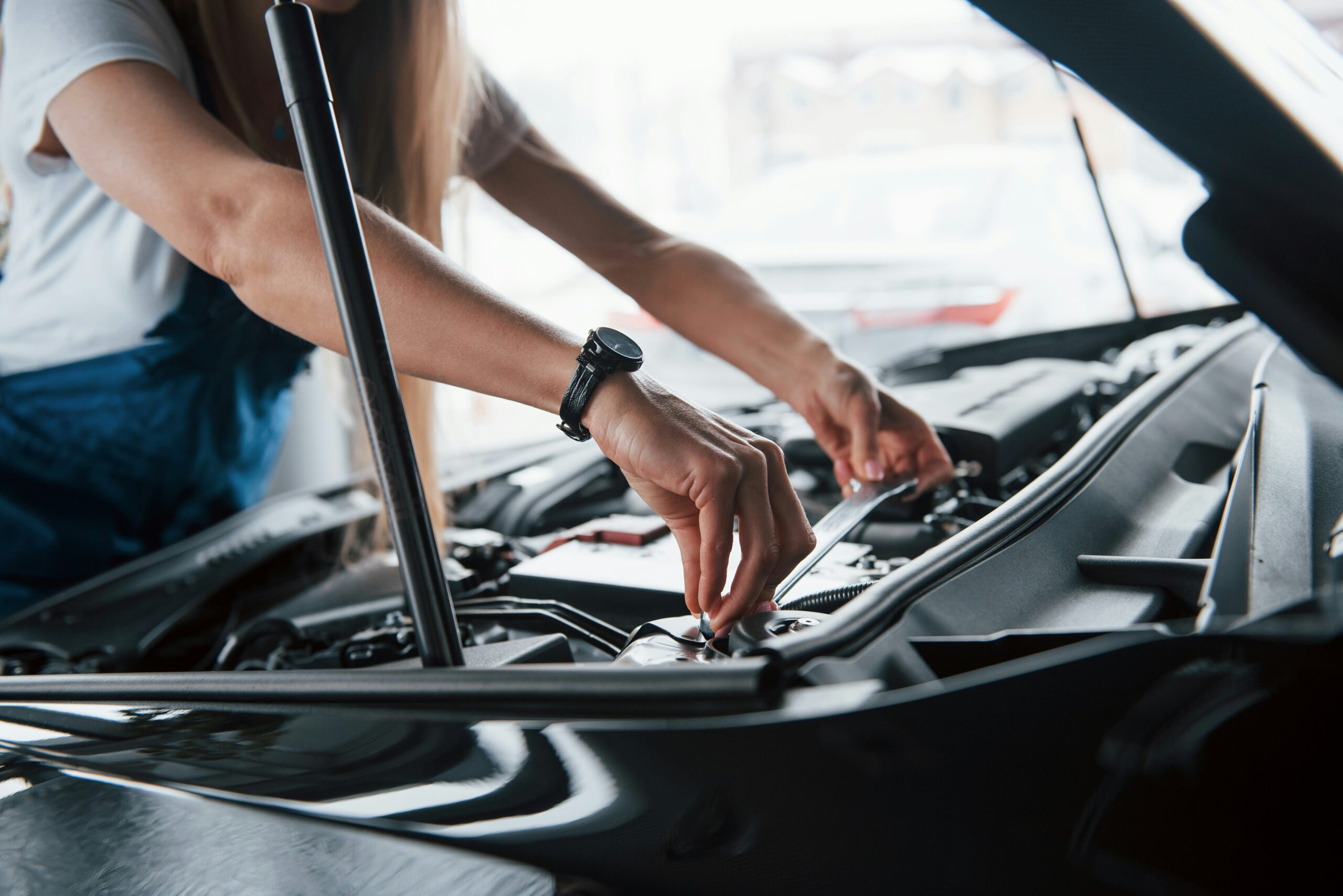
Anyone can build better mechanical confidence with simple habits. Check the owner’s manual. Learn where key parts are located. Look under the hood when the engine is cool. Find the oil dipstick, coolant tank, battery, belts, and fluid caps.
Listen to how your vehicle or machine sounds when it runs normally. This makes unusual sounds easier to notice. Watch for smells too. A burning smell, sweet smell, or fuel smell can point to a problem.
Keep basic tools nearby, such as a tire pressure gauge, flashlight, gloves, and a clean rag. Learn how to check tire pressure and fluid levels safely. Never open a hot radiator cap. Never work near moving belts or fans while the engine is running.
General mechanical knowledge grows over time. Each small lesson makes the next one easier. The more you understand the basics, the more prepared you feel when something goes wrong.
In the end, machines are not magic. They are systems made of parts that work together. With clear knowledge, careful habits, and regular care, anyone can better understand what is happening under the hood.