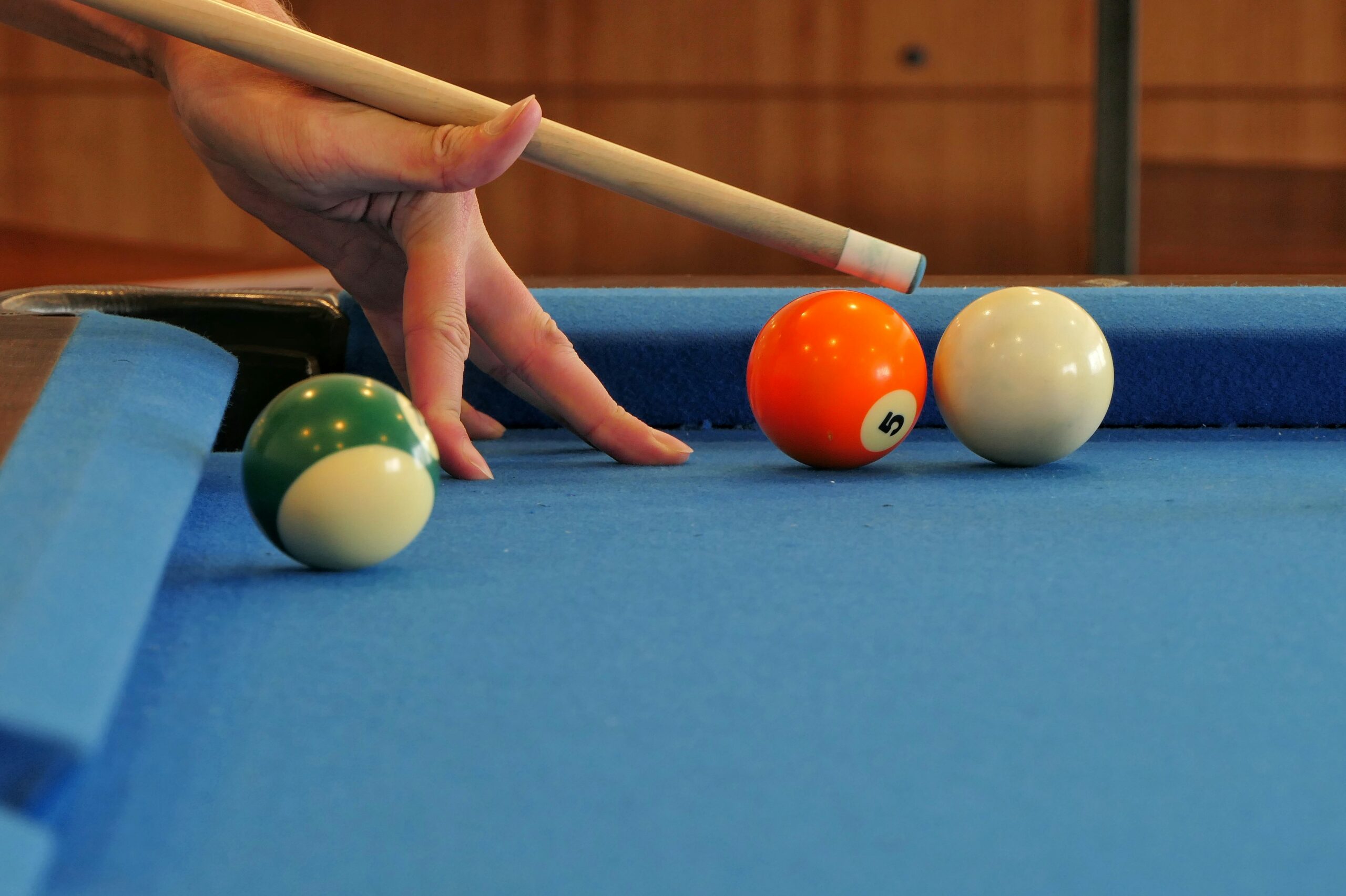
Pool is a game that combines skill, patience, and thoughtful strategy. While many people see it as a simple recreational activity, experienced players understand that success at the table requires careful planning and strong technical ability. Every shot matters, and the ability to control the cue ball often determines the outcome of a match.
The expression “behind the eight ball” describes a difficult situation during a game. It often occurs when other balls block the cue ball or when the available shots are limited. These moments challenge players to think creatively and rely on solid fundamentals. Learning how to handle these situations is an important step toward mastering the art of pool.
Building a Strong Foundation in Pool
Every great pool player begins with a strong understanding of the basics. This includes proper stance, steady cue alignment, and a controlled stroke. These fundamentals may seem simple, but they form the core of consistent performance.
A balanced stance helps players maintain stability during each shot. When the body is steady and relaxed, it becomes easier to guide the cue smoothly through the ball. This control improves accuracy and helps players develop confidence at the table.
Another important part of the foundation is learning how angles work. Pool is a game of geometry, where each shot depends on understanding how the cue ball and object ball will travel after contact. Practicing basic angle shots helps players build the awareness needed for more complex plays.
Understanding Position Play
Position play is one of the defining skills of advanced pool players. Instead of focusing only on pocketing a ball, skilled players think about where the cue ball will end up after the shot. This approach allows them to set up the next shot more easily.
Good position play often requires controlling the cue ball’s speed. A shot that is too strong can send the cue ball into an awkward location. A shot that is too soft might leave a difficult angle. Learning to balance power and precision is essential for maintaining control of the table.
Players who practice position play regularly begin to see patterns across the table. They learn how certain angles and speeds influence the cue ball’s path. Over time, this understanding makes it easier to plan multiple shots.
Learning the Value of Patience
Patience is an important quality in a pool. Many beginners rush their shots because they feel pressured to keep the game moving. However, experienced players know that taking a moment to evaluate the table can make a significant difference.
A thoughtful pause allows players to study the ball layout. They can identify potential obstacles, plan a shot sequence, and choose the safest option. This habit reduces mistakes and improves overall decision-making.
Patience also helps maintain focus during long matches. Instead of becoming frustrated after a missed shot, disciplined players reset their concentration and prepare for the next opportunity. This calm mindset often leads to better results over time.
Mastering Cue Ball Spin
Spin is one of the most powerful tools in pool. By striking the cue ball in different areas, players can influence how it moves after contacting another ball. This technique opens the door to a wide range of creative shots.
Top spin pushes the cue ball forward after impact, while backspin pushes it backward. Side spin changes the angle of the cue ball as it rebounds from the rails. Each type of spin offers unique advantages depending on the situation.
Learning spin takes patience and repetition. Players must experiment with different cue positions and shot speeds. As they gain experience, they begin to understand how spin can guide the cue ball into ideal positions for the next shot.
Reading the Table Like a Skilled Player
One of the biggest differences between beginners and advanced players is the ability to read the table. Skilled players quickly assess the ball arrangement and identify the best path to victory.
This process includes spotting clusters of balls that may create problems later in the game. Addressing these clusters early often prevents difficult situations near the end of a rack. Smart players clear obstacles before they become major challenges.
Reading the table also involves predicting how the cue ball will interact with the rails. Understanding these rebound angles allows players to plan creative routes that keep the cue ball under control.
Using Defensive Shots Effectively
Offensive play is exciting, but defense is equally important in pool. A defensive shot aims to place the cue ball in a position that limits the opponent’s options. This approach can shift the momentum of a game.
A well-executed safety shot forces the opponent to attempt a difficult play. Sometimes the cue ball is hidden behind another ball, making it nearly impossible for the opponent to take a direct shot. These situations often lead to mistakes.
Defensive strategy requires careful judgment. Players must decide when attacking the pocket is too risky and when a safety shot provides a better advantage. Understanding this balance is a hallmark of experienced competitors.
Strengthening Mental Focus During Matches
Pool is as much a mental game as it is a physical one. Even skilled players struggle when their concentration fades. Maintaining a strong focus throughout a match is essential for consistent performance.
Many players develop simple routines before each shot. This routine may include aligning the cue, taking a few practice strokes, and visualizing the cue ball’s path. These habits help maintain rhythm and reduce distractions.
Mental focus also involves managing emotions. Missed shots and unexpected outcomes are part of the game. Players who stay calm and focused are better prepared to recover and continue playing at a high level.
Practicing Smart for Long-Term Improvement
Improvements in pools rarely happen by chance. Players who want to sharpen their skills must practice with clear goals in mind. Purposeful practice helps build both technical ability and strategic awareness.
Drills that focus on specific shots can be very effective. For example, players may practice controlling the cue ball along the rail or repeating the same angle shot multiple times. These exercises strengthen accuracy and consistency.
Tracking progress is another helpful strategy. Players who observe their improvement over time stay motivated and identify areas that need attention. With dedication and thoughtful practice, anyone can develop the skills needed to play confidently, even when they find themselves behind the eight ball.